
To Buy Oseltamivir Online Visit Our Pharmacy ↓
Molecular Mechanisms Behind Oseltamivir Resistance Emergence A single amino-acid change can feel like a microscopic plot twist in a viral story; neuraminidase mutations alter the enzyme’s active site, reducing oseltamivir binding and restoring viral fitness and subtly change binding geometry further. Compensatory substitutions elsewhere stabilize protein structure, while receptor-binding changes modulate sialic acid interactions so viruses maintain transmissibility despite drug pressure preserving competitive fitness within hosts. Selective pressure from widespread antiviral use or prolonged therapy in immunocompromised patients accelerates emergence by favoring resistant variants that replicate and spread seeding diverse quasispecies within patients. Understanding viral quasispecies dynamics and structural changes helps predict resistance pathways and informs drug design, combination strategies, and stewardship to blunt future escape and guide rational antiviral development. Oseltamivir Resistance: Causes, Detection, and Prevention
Mechanism Effect Neuraminidase mutation Reduced oseltamivir binding Compensatory substitution Restored viral fitness/transmissibility
Key Mutations Conferring Resistance and Clinical Impacts
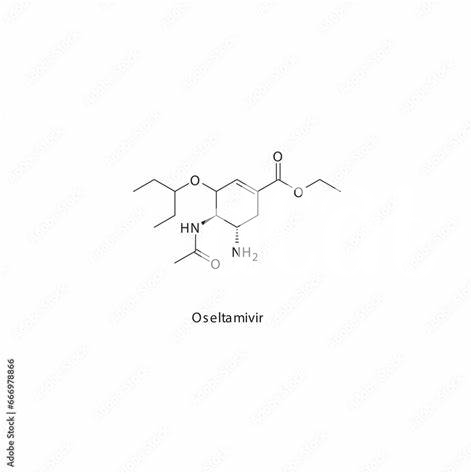
A single amino acid change can rewrite a viral story, shifting sensitivity to oseltamivir and altering disease trajectory. Clinicians watch especially for substitutions in neuraminidase that reduce inhibitor binding.
H275Y in N1 is the notorious variant linked with treatment failure and prolonged shedding, while E119V and R292K also compromise drug efficacy in other subtypes.
Laboratory correlation shows higher IC50 values correlate imperfectly with clinical outcomes; host immunity and timing of therapy modulate impact, making interpretation nuanced but essential for patient care.
Recognizing specific mutations guides therapy choices and infection control. Ongoing sequencing and resistance testing inform guidelines, ensuring vulnerable patients receive effective alternatives when needed. Public health messaging helps prevent misuse and delays emergence globally.
Laboratory Detection Techniques: Strengths and Weaknesses
In the lab, culture-based assays reveal how live viruses respond to drugs, demonstrating phenotypic resistance to oseltamivir but demanding high biosafety levels and several days to yield results.
Genotypic methods like RT-PCR and sequencing rapidly detect known resistance mutations, offering speed and sensitivity though sometimes missing novel or compensatory changes that affect clinical resistance.
Combined approaches balance limitations: phenotypic tests guide functional interpretation while sequencing tracks evolution for surveillance. However, cost, turnaround time and specialist interpretation restrict routine adoption, highlighting the need for standardized, rapid assays and broader laboratory capacity.
Surveillance Systems Tracking Resistance at Population Level
Across cities and rural clinics alike, public health teams stitch together patient samples, sequencing data and prescription records to spot emerging antiviral resistance before it spreads. This networked vigilance transforms isolated lab findings into actionable intelligence that can guide clinicians and policymakers. Communities rely on timely reports to adapt clinical practice.
Key components include sentinel surveillance, routine neuraminidase gene sequencing, phenotypic assays and standardized data platforms that allow rapid aggregation. Strengths are early detection and trend analysis; weaknesses include uneven laboratory capacity, reporting delays and interpretation challenges when mutations confer variable oseltamivir susceptibility.
When surveillance signals rise, targeted investigations, treatment guideline updates and communication to clinicians can curb impact. Sustained investment in workforce training, genomic infrastructure and international data sharing is essential to keep resistance from outpacing our therapeutics. Rapid feedback loops preserve treatment effectiveness across seasons and settings globally.
Implications for Treatment: Clinical Outcomes and Alternatives
A clinician remembers a patient whose fever persisted despite oseltamivir, revealing how resistance alters clinical course: longer symptoms, higher complication risk, and delayed recovery. Such failures demand swift reassessment of antiviral strategy and heightened monitoring to prevent progression and nosocomial spread.
Effective alternatives exist: inhaled zanamivir or intravenous peramivir for susceptible strains, and newer agents like baloxavir with distinct mechanisms. For immunocompromised patients, prolonged courses or combination regimens may be necessary, guided by viral sequencing and phenotypic testing. Early switch reduces complications and informs public health response.
Stewardship limits unnecessary oseltamivir use and preserves options; vaccination lowers incidence and thus resistance selection. Clinicians should pair rapid diagnostics with resistance surveillance, report failures, and enroll patients in trials for novel therapeutics. Together these steps protect vulnerable patients and sustain effective antiviral armamentarium. Timely action improves outcomes, limits spread, and saves lives.
| Agent | Route |
|---|---|
| Zanamivir | Inhaled |
| Peramivir | Intravenous |
| Baloxavir | Oral |
Prevention Strategies: Stewardship, Vaccines, and Novel Therapeutics
Clinicians and public health teams can blunt resistance through disciplined antiviral stewardship: prescribing oseltamivir only for confirmed or high-risk influenza cases, limiting duration to recommended courses, and documenting outcomes to guide practice. Vaccination remains the cornerstone—widespread seasonal immunization reduces viral circulation and the selective pressure that drives resistant strains, while updated vaccine formulations and high coverage protect vulnerable populations. Community engagement, data transparency, and global equity are essential too.
Investment in novel therapeutics and combination approaches offers a safety net: newer neuraminidase inhibitors, polymerase inhibitors, monoclonal antibodies, and host-directed drugs can diversify treatment options and reduce reliance on a single agent. Integrated surveillance, rapid diagnostics at point of care, and clinician education complete the picture, creating a feedback loop that identifies emerging resistance quickly and adapts treatment algorithms to preserve drug effectiveness. Policymakers must fund studies and accelerate implementation now.