
To Buy Antabuse Online Visit Our Pharmacy ↓
Foods That Trigger Disulfiram Reactions: Surprising Culprits I remember advising someone who blamed a weekend dessert for a sudden flush and nausea; later we found the culprit was vanilla extract in the recipe. Many common foods contain ferment-derived ethanol: ripe fruits, fermented vegetables like sauerkraut or kimchi, kombucha, kefir, soy sauce and some vinegars, plus extracts and liqueur-soaked sweets. These trace alcohol sources can trigger the disulfiram reaction—flushing, headache, nausea, rapid heartbeat—and catch people off guard. Read labels, avoid recipes using wine or alcohol-based extracts, and ask restaurants about marinades and sauces. When in doubt, choose fresh, nonfermented alternatives and inform your care team about any suspicious reactions; prevention is often straightforward. Always carry identification noting disulfiram use in case of emergency. Antabuse Interactions: Foods, Medications, and Hidden Risks
Food Why risky Vanilla extract Contains ethanol Kombucha Fermentation produces small alcohol levels Ripe fruit Natural fermentation when overripe
Everyday Beverages You Must Avoid While Taking Antabuse
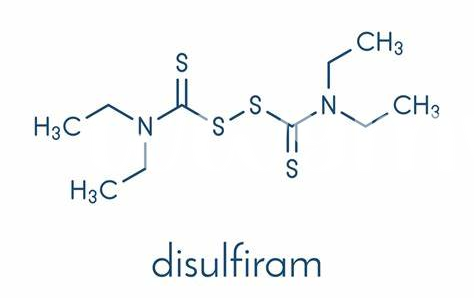
One client was stunned when a supposedly "alcohol-free" kombucha made her flush and dizzy — a reminder that antabuse turns tiny amounts of ethanol into a big problem. Even nonalcoholic beers, fermented teas like kombucha, some ciders and liqueur-flavored coffees can contain enough alcohol to provoke nausea, headache, sweating and rapid heartbeat. Packaged juices and bitters used in cocktails may also carry traces that matter.
Read labels carefully and avoid anything that lists alcohol, malt, fermented ingredients or "may contain" warnings; nonalcoholic does not always mean zero percent. Ask your pharmacist about cough syrups, tonic waters and flavored extracts before consuming them. When unsure, choose safe substitutes like plain sparkling water, herbal tea or coffee without liqueur. If flushing, vomiting, breathing difficulty or chest pain occur after exposure, seek immediate medical help promptly and tell providers you are on antabuse.
Prescription Medications That Interact Dangerously with Disulfiram
One night after a clinic visit, a patient realized their new antibiotic and seizure medication might clash with antabuse. Disulfiram can inhibit liver enzymes and slow metabolism of drugs such as warfarin, phenytoin and some benzodiazepines, raising bleeding risk or causing excessive sedation and toxicity. Nitroimidazoles like metronidazole and isoniazid also heighten neurotoxic and liver risks when combined.
Always tell every prescriber and pharmacist you are taking antabuse and never start or stop prescription drugs without medical advice. If you take anticoagulants or anticonvulsants, expect closer monitoring, including INR and drug-level checks. Report new dizziness, severe sedation, jaundice or unexpected bleeding immediately and seek urgent care to prevent dangerous outcomes and discuss safer medication alternatives.
Over the Counter Drugs and Supplements Hiding Risks
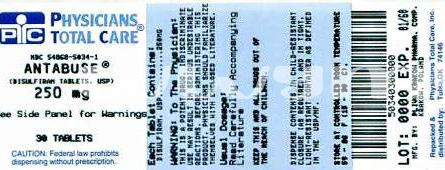
Standing at your medicine cabinet you might not expect that a cough syrup or herbal tincture can trigger a harsh reaction. Many over the counter liquids, topical liniments, and flavoring extracts contain ethanol or alcohol based solvents that can cause symptoms if you are taking antabuse.
Nonalcoholic looking products such as throat sprays, tinctures, nasal drops and some sleep aids sometimes use alcohol as a carrier or preservative. Herbal supplements labeled alcohol extract or glycerin based formulas deserve scrutiny because inhaling or accidentally swallowing small amounts can be risky.
Always read labels and ask pharmacists whether an over the counter product contains ethanol or alcohol derived ingredients. When in doubt choose alcohol free formulations and keep a list of safe alternatives to share with caregivers and clinicians in case of emergency. Carry emergency contact information and your medication card always.
Alcohol in Food, Mouthwash, and Hidden Sources
A single mistaken ingredient can cause a frightening reaction. Hidden ethanol in cooking extracts, sauces, or fermented foods may provoke flushing, nausea, and palpitations in people taking antabuse.
Mouthwash, breath sprays, and tinctures often contain alcohol even when fragrance labels downplay it; check ingredient lists and choose alcohol‑free products. Ask pharmacists and read nutrition facts before eating unfamiliar dishes.
If exposure occurs, stop consuming and rinse mouth, seek medical advice, and carry a card noting antabuse therapy. Vigilance and label reading prevent most surprises. Inform family and companions about risks.
Managing Side Effects and Safe Emergency Steps
When nausea or flushing starts, pause and sit down. Breathe slowly, sip water, and notify someone nearby. Record timing and what you consumed to help clinicians identify the trigger quickly.
For severe reactions—chest pain, difficulty breathing, fainting—call emergency services immediately. Mention disulfiram exposure and any recent alcohol ingestion; prompt oxygen and monitoring can prevent complications and guide treatment now effectively.
Follow up with your prescriber after an incident; they may adjust dosing or pause therapy. Carry medical ID stating disulfiram use, avoid alcohol for at least two weeks, document recovery.