
To Buy Amoxicillin Online Visit Our Pharmacy ↓
Rapid Red Flags: Recognizing Amoxicillin Allergy Symptoms A sudden itchy rash, hives, or swelling after taking amoxicillin can feel alarming; trust your instincts and pause the medication. Mild breathlessness, dizziness, or a tight throat suggest a more urgent problem. Early recognition lets you seek prompt care and avoids escalation. If symptoms start soon after a dose, inform a clinician immediately; they’ll evaluate signs, provide antihistamines or epinephrine if needed, and recommend allergy testing later. Keep a record of reactions and note timing and severity for future visits. Amoxicillin Allergies: Signs, Testing, and Alternatives
Symptom When Hives Immediate Swelling Immediate Dizziness Monitor Cough Watch
When Reaction Escalates: Identifying Severe Allergy Signs
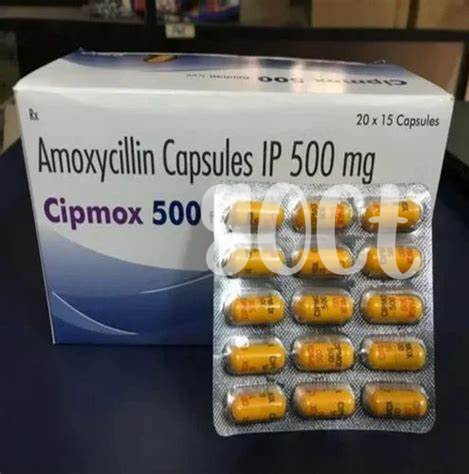
A sudden tightening in the throat can turn a routine prescription into a frightening emergency. Early recognition saves lives and limits complications.
Watch for swelling of face, lips, or tongue, hives spreading fast, difficulty breathing, or wheeze after taking amoxicillin.
Dizziness, fainting, rapid pulse, or sudden drop in blood pressure suggest anaphylaxis; treat as life-threatening and seek emergency care. Carry medical ID if allergic. Know your emergency plan.
If symptoms start within minutes to hours, act quickly: call emergency services, use epinephrine if available, and tell responders about amoxicillin exposure.
How Doctors Test for Penicillin-related Allergies Today
She recounted sudden hives after a course of amoxicillin, and the allergist listened closely. A thorough history—timing of symptoms, severity, and any prior reactions—frames the testing strategy and often rules out nonallergic side effects. Medications taken concurrently, comorbidities, and recurrence risk are noted to refine assessment.
Next come targeted tests: skin prick and intradermal tests using penicillin determinants can detect IgE-mediated sensitivity, while blood assays measure specific IgE antibodies when skin testing isn’t practical. Both have limitations: skin tests are most useful for immediate reactions, and blood tests can yield false negatives or low sensitivity.
If results are inconclusive, a graded oral challenge under supervision remains the definitive approach to confirm tolerance or true allergy. Clear documentation and specialist referral help ensure future providers know safe alternatives. Patients receive written guidance and allergy lists are uploaded to their medical record.
Skin Tests Versus Blood Tests: What to Expect
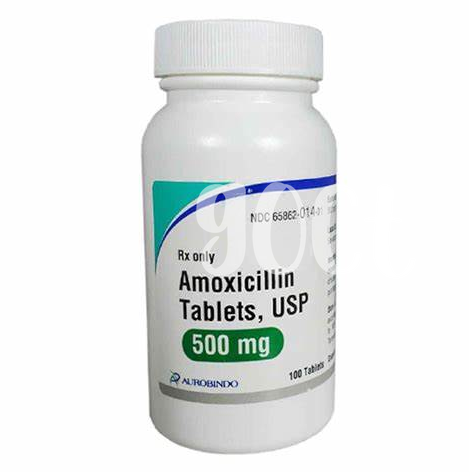
In clinic light, a clinician explains skin testing like a gentle map: tiny pricks introduce amoxicillin molecules to the skin. A visible bump suggests immediate allergy, guiding swift treatment decisions and next steps for care.
Blood tests feel less immediate: a vial drawn, sent to the lab where specialized assays look for antibodies linked to penicillin-class reactions. Results arrive later but can reveal delayed sensitivities not seen on skin tests.
Neither test is perfect: skin testing detects many immediate IgE reactions but can miss non-IgE responses. Blood assays often have lower sensitivity. Clinicians balance history, test limits, and safety to guide care in individual patients.
Expect clear instructions: skin testing is quick but requires a short monitoring period; blood tests avoid immediate exposure yet need lab turnaround. If inconclusive, specialists may suggest graded challenges, desensitization, and updated records for future
Safe Antibiotic Alternatives When Amoxicillin Is Off-limits
I had a patient panic in a pharmacy when told amoxicillin was risky. Reassurance starts with clear facts: many penicillin reactions are not true allergies, and safe alternatives exist depending on infection and allergy severity.
For mild respiratory infections, macrolides or doxycycline often serve. When beta-lactams are needed, some cephalosporins with dissimilar side chains may be safe after specialist review. Choice balances effectiveness, resistance, and allergy history and clinical context.
For severe or hospital infections, clinicians may choose vancomycin, daptomycin, or linezolid depending on organism and site. Clindamycin can cover some soft tissue infections. Pediatric dosing and stewardship considerations always guide selection, including allergy reports.
Discuss options with provider, who may recommend allergy testing or referral to an allergist. If testing clears you, amoxicillin or related drugs can be used; otherwise desensitization or tailored alternatives keep care effective and safe.
| Antibiotic | Common use |
|---|---|
| Macrolide | Respiratory infections |
| Doxycycline | Skin, respiratory (age-dependent) |
| Vancomycin | Severe gram-positive infections |
Managing Future Care: Allergy Records and Desensitization Options
Keep a clear, accessible allergy record—paper and digital—detailing the reaction, date, severity, and treatments used. Share this with every provider and store it in medical apps or your wallet card so emergency teams act fast. Accurate documentation reduces repeated avoidance of effective drugs and helps clinicians choose safe alternatives based on history rather than assumptions.
If amoxicillin is essential, allergy specialists can evaluate you for graded challenges or desensitization protocols performed in controlled settings. These carefully monitored procedures can temporarily induce tolerance, allowing needed therapy when no safe substitute exists. Discuss risks, benefits, and follow-up with your allergist; keep updated records of any testing or desensitization outcome for future care continuity Include emergency contact information.