Understanding Ventolin: What Makes It Unique
Ventolin stands out in the world of bronchodilators due to its fast-acting properties and distinct formulation. It’s often the go-to script for those needing immediate relief from asthma or COPD symptoms. Unlike many other bronchodilators, Ventolin acts quickly, making it a crucial choice in urgent situations where a stat response is required. While others might focus on long-term management, Ventolin is prized for its rapid onset, allowing patients to breathe easier nearly immediately.
Its unique compound also ensures fewer side effects compared to some generics on the market. This distinct balance of efficacious relief and reduced side effects makes Ventolin a preferred choice by many healthcare providers, ensuring patients experience a noticeable improvement in their symptoms.
Exploring Different Types of Bronchodilators
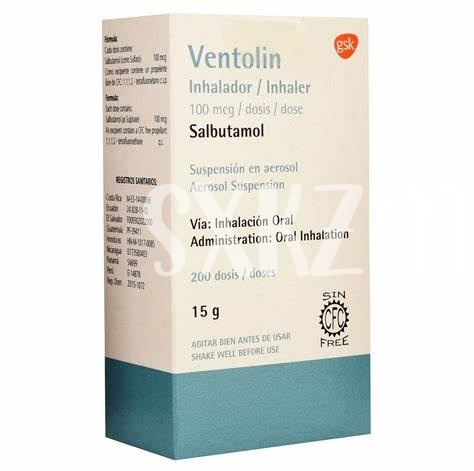
When we think about bronchodilators, ventolin often stands out, but it's critical to understand the broader landscape of these medications. Bronchodilators can be categorized into mainly two types: short-acting and long-acting. Short-acting bronchodilators, often referred to as "Rescue Inhalers," provide immediate (stat) relief by quickly opening airways, crucial during acute asthma attacks. Long-acting bronchodilators, on the other hand, help maintain open airways over time, usually taken as a daily script to manage chronic symptoms, without the spike of sudden onset.
Exploring the different comp(ound) bronchodilators also reveals intriguing differences in mechansims. Some, like anticholinergics, work by blocking certain neurotransmitters to prevent airway constriction. Others, such as beta-agonists, directly stimulate receptors to relax muscles surrounding airways. Understanding these differences can greatly influence the sig of a prescription by providing targeted relief, depending on an individual's medical needs. Effectively matching the right type with a patient's symptoms can lead to better lung function and overall quality of life, making every puff count and pour a breath of fresh air.
Mechanisms of Action: How Do They Work?
Ventolin and other bronchodilators operate through distinct mechanisms, offering relief to those grappling with respiratory ailments. Ventolin, a popular choice within the realm of bronchodilators, primarily acts by stimulating beta-2 adrenergic receptors in the lungs, which results in the relaxation of smooth muscles and dilation of airways. This mechanism provides rapid relief for acute symptoms, making it a go-to option in many scripts.
In contrast, alternatives such as anticholinergics and methylxanthines work differently. Anticholinergics block receptors that drive bronchoconstriction, while methylxanthines increase diaphragm contractility and reduce airway response to irritants. Despite their diverse methodologies, each has its place in managing respiratory conditions. Understanding these mechanisms is crucial to choosing the right bronchodilator, fitting the individual needs of patients who frequent the Drive-Thru for their prescriptions.
Duration and Onset: Speed and Longevity Compared
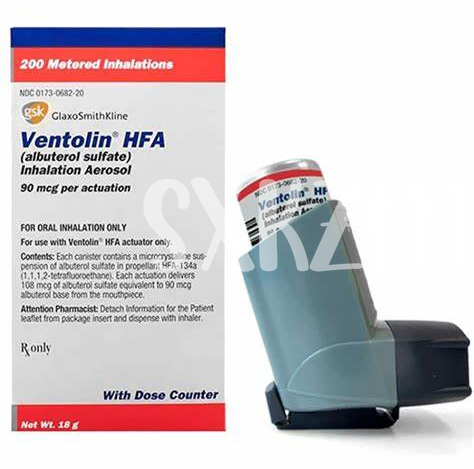
Bronchodilators like Ventolin are known for their rapid onset, often acting almost stat as soon as they are inhaled, offering relief from acute symptoms. This immediacy, however, requires balance with the duration they remain active in the body. Ventolin typically provides relief for four to six hours, making it ideal for quick action but not as long-lasting as some competitors.
Long-acting bronchodilators, on the other hand, often require a hard copy script for proper management and offer a more extended period of relief. These medications, perfect for maintaining stable airway function, gradually take effect, with some needing a few hours to reach full efficacy.
Choosing the ideal bronchodilator involves considering the speed at which relief is needed versus how long the treatment should last. While Ventolin shines in acute scenarios, long-acting options may be more suitable for chronic management. It's essential to understand each drug's unique onset and duration to achieve the best therapeutic outcomes.
Side Effects: What Patients Need to Consider
When considering Ventolin and its bronchodilator counterparts, side effects become a crucial factor. Ventolin, fast in its action, can occasionally cause side effects like tremors or an increased heart rate. It's neccessary to weigh these against the alternative acommodate bronchodilators. Patients who experience bothersome 'hangover' effects post-medication must consult with their healthcare provider. A thorough Meds Check or Sig understanding can significantly help reduce unwanted interactions. Always follow the rx guidelines to ensure safety and efficacy with your treatment.
Choosing the Right Bronchodilator for Your Needs
Choosing the most suitable bronchodilator is like crafting a compund medication tailored to your needs. Not only should you ensure timely RELIEF for acute symptoms, but also consider the longevity and potential side effects. Dialog with your healthcare provider is crucial. They may offer a hard copy of your script or simply sig detailed usage instructions. Each patient's RESPIRATORY condition can vary significantly, REQUIREING a personalized approach. Stay informed, and don't hesitate to conduct a meds check with your dedicated pharmacist.

