Understanding Symbicort: Key Features and Benefits
Symbicort is a combination inhaler that merges two key ingredients: budesonide, a corticosteroid, and formoterol, a long-acting beta-agonist. This dual action works by reducing inflammation and relaxing muscles in the airways, providing comprehensive asthma and COPD symptom control. Users often report enhanced breathing ease, which can lead to a more active lifestyle. Symbicort is designed for consistent, everyday use, making it particularly effective for people requiring regular management of chronic respiratory conditions. Its key benefits are highlighted below:
| Benefit | Description |
|---|---|
| Inflammation Control | Reduces airway swelling and irritation. |
| Long-Acting Relief | Provides up to 12-hour symptom relief. |
Exploring Different Types of Inhalers Available Today

In the world of asthma and COPD management, various inhalers offer different features to cater to diverse patient needs. Metered-dose inhalers (MDIs), like the commonly prescribed Symbicort, deliver a specific dose of medication in aerosol form. Dry powder inhalers (DPIs) such as Advair require patients to inhale powder deeply, making them a preferred choice for those who find MDIs challenging. Meanwhile, soft mist inhalers offer a slow-moving mist, ideal for those with coordination issues. Each type has unique characteristics and requires a certain technique, so understanding these differences helps in choosing the most suitable option to ensure optimal disease management.
How Symbicort Stacks up Against Competitors
Symbicort, primarily used for managing asthma and COPD, is a combination inhaler that contains both a corticosteroid and a long-acting bronchodilator. This dual-action approach ensures sustained relief and inflammation control, making it a formidable contender among other inhalers. When compared with competitors like Advair and Breo, Symbicort offers a unique formulation that can be ideal for patients requiring both anti-inflammatory and bronchodilation therapy.
While Advair also offers a similar combination of medications, some studies suggest Symbicort may provide quicker relief of symptoms due to its rapid onset of action. Breo, on the other hand, is often praised for once-daily dosing, potentially offering greater adherence, though Symbicort’s twice-daily use is still favored for consistent symptom management.
Each inhaler has unique attributes, and the choice ultimately depends on individual health needs. Symbicort is distinguished by its versatility and rapid symptom relief, making it a preferred choice for many healthcare providers and patients. Still, consulting with a healthcare professional remains crucial to determine the best option based on specific medical conditions and lifestyle preferences.
Comparing Cost Effectiveness of Popular Inhalers
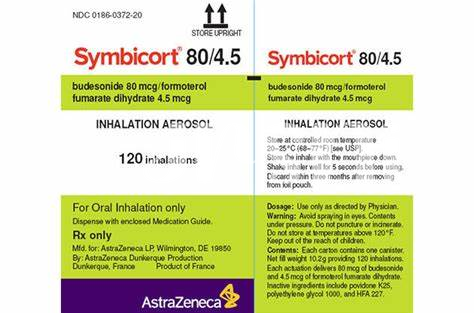
In the realm of asthma and COPD management, financial considerations often play a crucial role. Symbicort, a widely prescribed combination inhaler, is frequently juxtaposed with other popular options like Advair, Breo Ellipta, and Spiriva. While Symbicort offers a powerful dual-action formula combining a corticosteroid and a long-acting beta agonist, its cost can be a decisive factor for many patients.
Insurance coverage and pharmacy discounts significantly influence the actual out-of-pocket expenses associated with inhalers. Symbicort, for instance, may be more cost-effective for some due to manufacturer coupons or insurance agreements. Conversely, generic options or alternative brands might offer a lower initial price point.
Evaluating the long-term efficacy and potential savings from avoiding exacerbations should also guide decision-making. The best inhaler balances medical efficacy, affordability, and access based on individual health needs and financial circumstances.
Side Effects and Safety Profiles: What to Know
When evaluating inhalers, considering the side effects and safety profiles is pivotal for patient well-being. Symbicort, widely prescribed for asthma and COPD management, combines budesonide and formoterol. While effective in controlling symptoms, some users report mild side effects like headaches or throat irritation. It's essential to weigh these against those of alternative inhalers, such as albuterol and Advair, known for their unique profiles.
| Inhaler | Common Side Effects |
|---|---|
| Symbicort | Headaches, throat irritation |
| Albuterol | Rapid heartbeat, tremors |
| Advair | Nausea, hoarseness |
Consulting with healthcare professionals ensures personalized care, considering individual susceptibilities and existing conditions. Balancing benefits and potential side effects is crucial when deciding whether Symbicort or another inhaler best fits your health requirements.
Making the Right Choice for Your Health Needs
Navigating the maze of inhaler options can feel overwhelming, but understanding your unique health needs is the key to selecting an appropriate option. Begin by considering the specific respiratory condition you're managing—whether it's asthma, COPD, or another ailment. Each inhaler type offers distinct advantages tailored to varying severity and frequency of symptoms. Consulting with your healthcare provider about your lifestyle and medical history ensures that your choice complements your daily routine and medical requirements.
Delve into the pharmacological profiles of different inhalers. Consider delivery mechanism effectiveness, onset of action, and dose frequency. Combining these insights with professional guidance helps pinpoint the most suitable option that maximizes therapeutic outcomes while minimizing potential adverse effects.
Cost-effectiveness is another critical factor. While some inhalers might seem costlier upfront, a comprehensive analysis should include long-term efficacy and potential savings from reduced hospital visits or exacerbations. Weigh the balance between cost and clinical benefits to make an informed, financially sensible choice that aligns with your wellness plan.
Ultimately, knowledge empowers you to make confident decisions. By marrying clinical data with your personal health context, you choose not just an inhaler, but a partner in health that lives up to your expectations. For more detailed information, check resources like this scientific discussion and further insights from this comprehensive study.

